

Introduction
In a constantly evolving cosmetics market, where thousands of new products appear every year, it is becoming increasingly difficult for consumers to make informed and responsible choices. Faced with a proliferation of sometimes misleading marketing claims, such as “natural,” “green,” or “eco-friendly,” which are not always regulated, official certifications serve as reliable and objective benchmarks. These labels, issued by independent and recognized organizations, ensure that cosmetic products meet strict and precise standards. Whether you are concerned about your health, the environment, animal welfare, or ethical considerations, certifications allow you to verify a brand’s commitments. In a context where transparency and traceability have become major expectations for modern consumers, understanding the importance of cosmetic certifications is essential for making purchases that truly align with your values and needs.
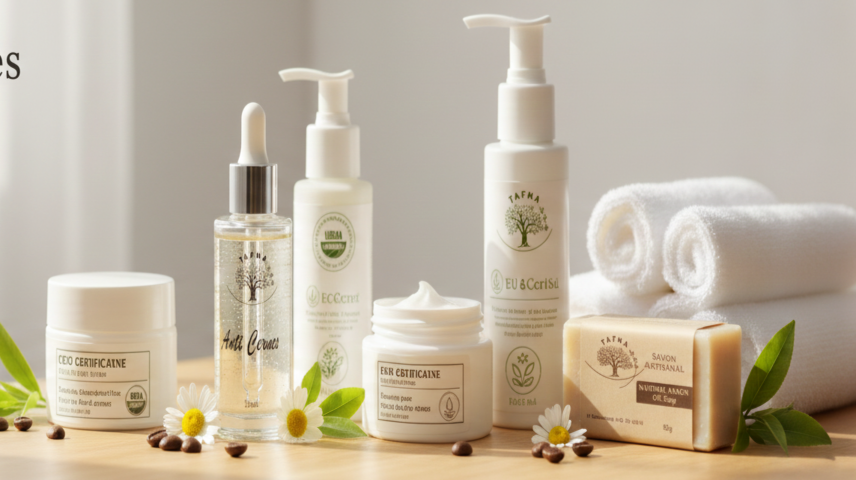
Certified cosmetics primarily offer a guarantee of controlled and safe composition. Certification bodies such as Ecocert, Cosmébio, Nature & Progrès, or the Cosmos label impose strict restrictions on allowed ingredients, notably prohibiting parabens, silicones, synthetic colorants, artificial fragrances, and other substances potentially harmful to health. These certifications also require a minimum percentage of natural or naturally derived ingredients, as well as a significant proportion of ingredients from organic farming, significantly reducing your exposure to pesticides and synthetic chemicals.
Beyond individual health, choosing certified cosmetics is also a strong environmental statement. These labels enforce rigorous environmental criteria throughout the product lifecycle: cultivation methods that respect biodiversity, less energy-intensive manufacturing processes, recyclable or biodegradable packaging, and a strict ban on animal testing. Some certifications go even further by guaranteeing fair trade practices, ensuring fair compensation for raw material producers, often from developing countries.
Certifications also provide full transparency regarding ingredient traceability. Each component is identified, controlled, and documented, allowing consumers with allergies or sensitivities to make informed decisions. This rigor in quality control is maintained through regular audits, laboratory analyses, and on-site inspections, ensuring a consistent standard of excellence. Unlike unverified marketing claims, certifications legally bind brands and expose them to penalties in cases of non-compliance.
By choosing certified products, you also support a more responsible economic model and encourage the cosmetics industry to adopt more sustainable practices. Your purchasing power becomes a genuine vote in favor of ethical, transparent, and respectful cosmetics. Moreover, certified cosmetics often provide comparable—or even superior—effectiveness to conventional products due to their high-quality natural active ingredients and the absence of unnecessary fillers.
Conclusion
Choosing cosmetics with official certifications is choosing safety, transparency, and responsibility. In a world where greenwashing is widespread and many brands use misleading marketing strategies to appear eco-friendly without genuine commitment, certified labels are your best protection as an informed consumer. They allow you to quickly identify products that truly meet strict standards for health, environmental responsibility, and ethics, without having to decipher complex ingredient lists or conduct your own extensive research. By prioritizing certified cosmetics, you care for your skin while actively contributing to the preservation of the planet and the protection of workers’ rights. You also participate in a global movement pushing the cosmetics industry toward greater sustainability and authenticity. Therefore, don’t hesitate to look for certification logos on your beauty products and to learn about the specific criteria of each label, so you can make choices that fully align with your values. Ultimately, your beauty routine should never come at the expense of your health, the environment, or the well-being of others.